

By: Alexandra Evans
OAKLAND—As of Monday, January 8, the Oakland A’s have unlocked their newly constructed, 40,000 square-foot headquarters in Jack London Square.
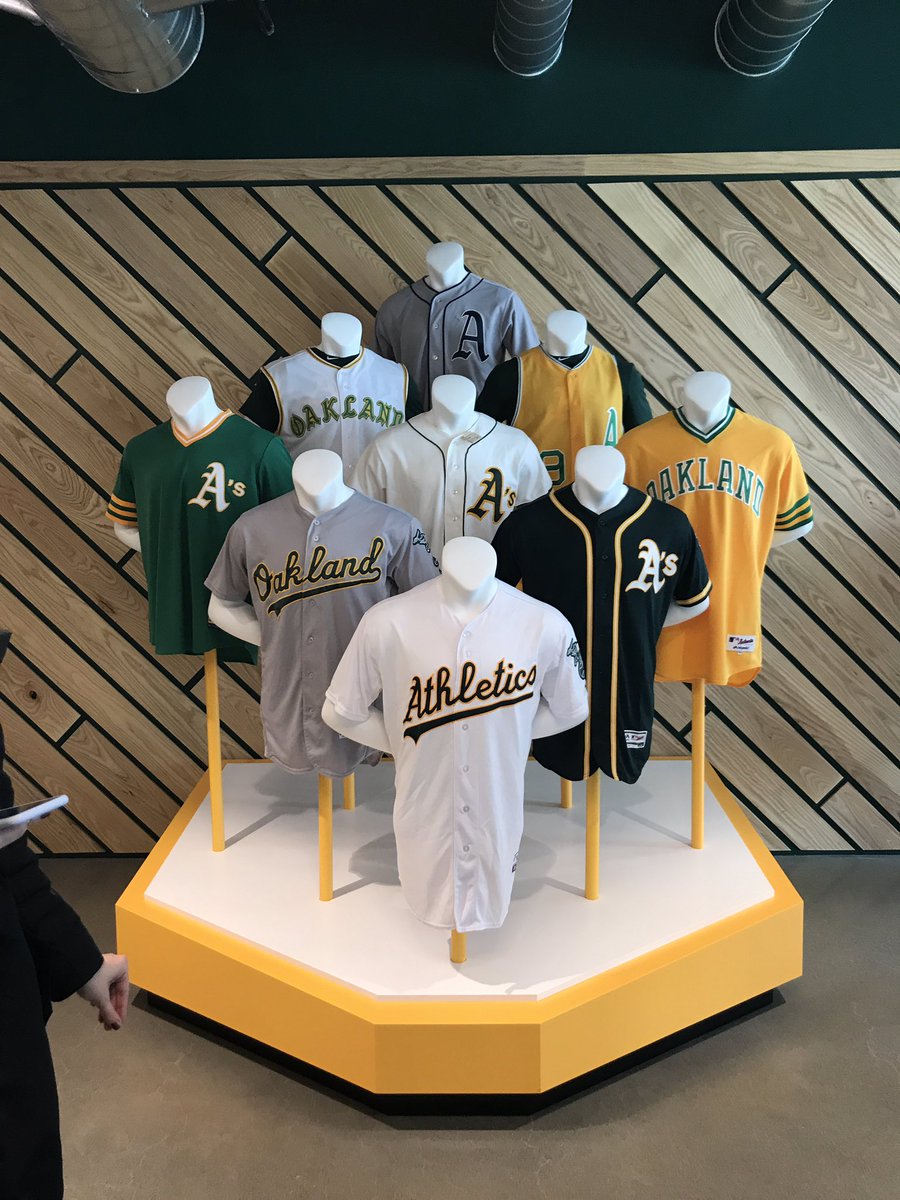
A day after its opening, the club invited members of the media to take a tour of the facilities, built by Devcon. Stocked with A’s memorabilia (such as the orange ball proposed by former owner Charles Finley, the team’s earliest jerseys and amateur scouting reports for iconic players, including Reggie Jackson), exclusive office space for all branches of the franchise, a refreshment corner, fitness center, personalized A’s-themed artwork, and even a batting cage, each community meeting will be accompanied by state-of-the-art amenities and, being located directly on the water, a clear view of Alameda and San Francisco.
“This location in Jack London has great bones,” said A’s president Dave Kaval. “It’s got a lot of great parts of the experience here like the water, people like congregating here.”
Kaval referred to the new headquarters as a “sampler,” a representation of having a collaborative work environment and embracing their past. Fans and other members of the community now have the opportunity to witness Oakland’s “vision” of their impending new ballpark.
The A’s have called the Oakland Coliseum their home for 50 years, though the club has decided to relocate the ballpark to a different spot in Oakland, such as the Peralta Community College District site–adjacent to Laney College–and the Howard Terminal. After a year of contemplation, they selected the Peralta site in September 2017.
Kaval explained that the club will relocate with the intent to provide all those affiliated with the franchise (executives, players, fans, media members, and the community) with a more modern, holistic experience in and out of the office, and on and off the field. Additionally, the relocation will not allow the A’s to produce the revenue required to compete “at the highest quartile with some of the bigger level teams,” Kaval described.
“[The relocation] fulfills our needs as an organization,” Kaval continued. “It allows us to have a better fan experience, win more world championships by having a bigger payroll, and fits the community’s needs in terms of what it needs to develop, be it affordable housing, a commercial center, or a ballpark village.
“When we talk about having a world-class fan experience, that includes the ingress and egress, getting to and from. You don’t want to be sitting in a parking lot for 45 minutes… it’s very important that wherever we go, we have a plan for that which is very well thought-out.
“We’re focused on those guiding principles of creating a ballpark privately financed, a key part of what we are doing here,” said Kaval, also adding that the confidential financing matters are unusual in the development of venues in Oakland.
The ballpark relocation is one of the biggest projects in the history of Oakland, and it is going to take more than construction workers and team executives to ensure success.
“We need our fans, we need the community, we need the civic leaders, we need everyone together to make it happen, and it will have so many positive externalities if it is done the right way,” Kaval contended.
 Sports Radio Service